Back in the Cycle
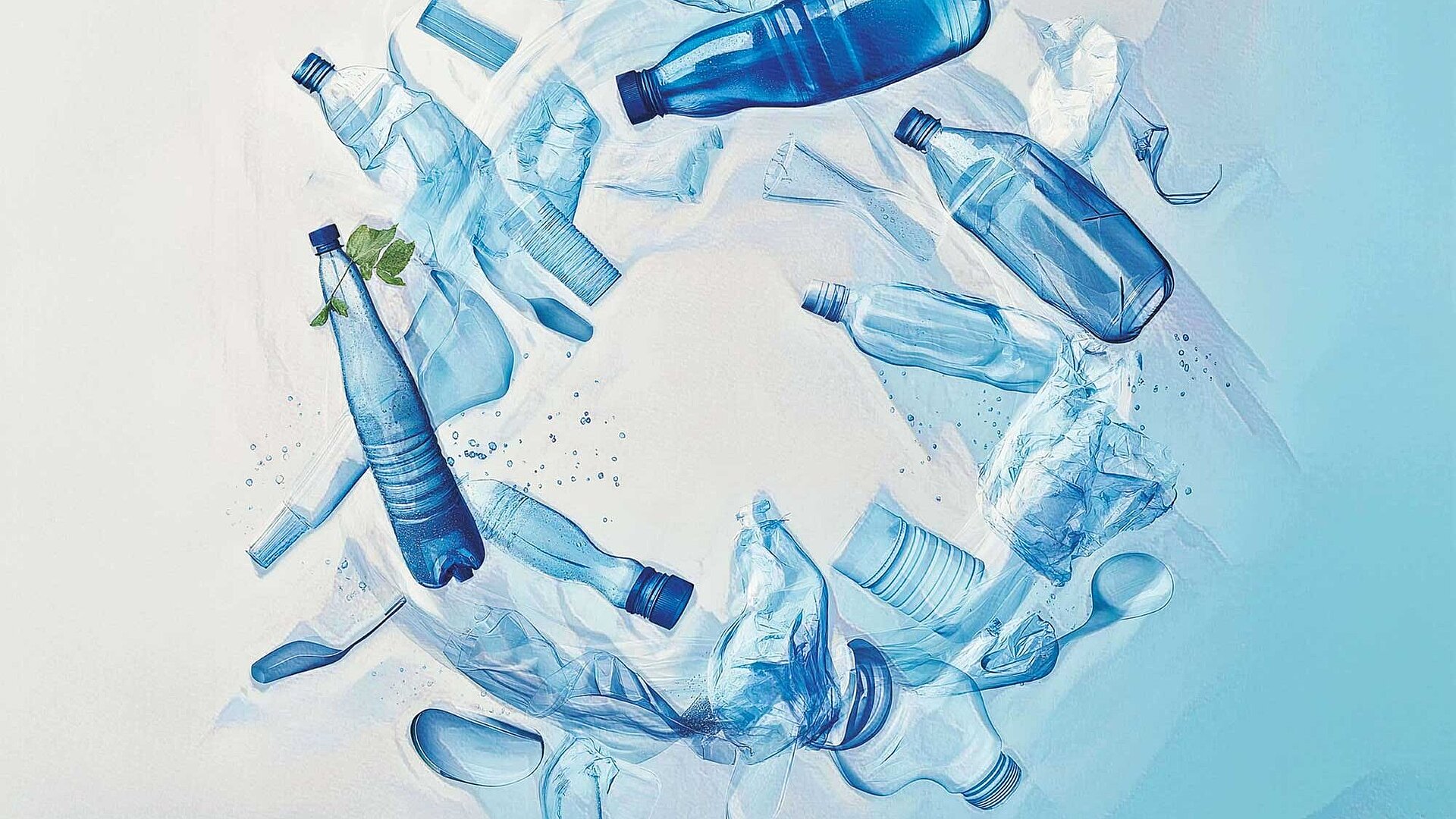

Opening a cheese packet takes just seconds. Manufacturing it takes months, from extracting crude oil and producing the plastic to creating the final film. Its useful life? Just a few days to protect the cheese. After that, it becomes a problem: without recycling, it remains in the environment as plastic waste for centuries.
To prevent this, most plastic waste in Germany is currently recycled mechanically or thermally. This means it’s either shredded, melted and processed into granules, or simply burned. However, mechanical recycling only works with pure, single-type plastics. Incineration, on the other hand, produces high CO2 emissions and permanently destroys valuable raw materials.
This is the fate of most cheese packaging: because it is made of multi-layered films, it is too complex for mechanical recycling and ultimately ends up in a waste incineration plant.
6 million tons of plastic waste per year
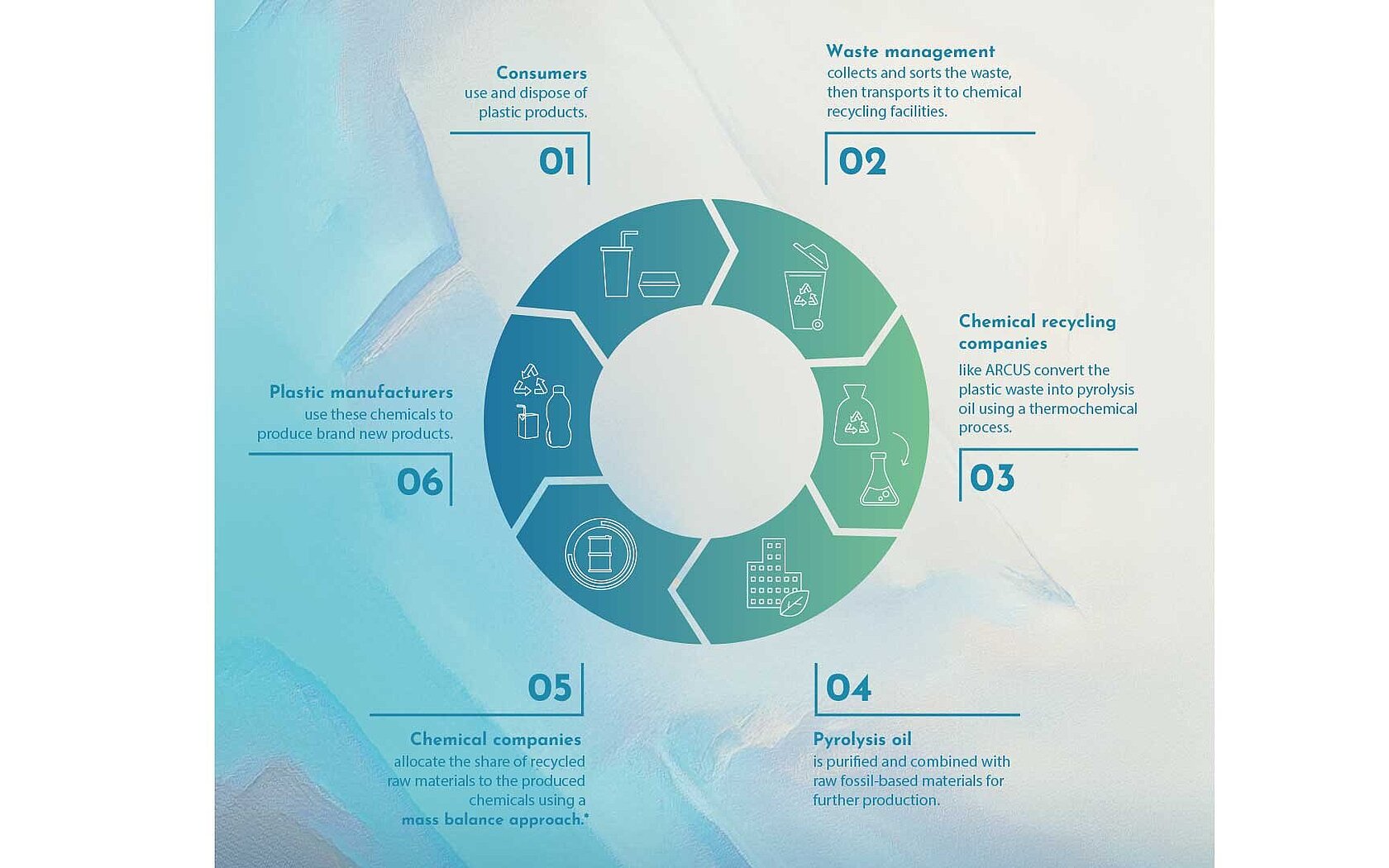
That’s exactly where a third method comes in to play: chemical recycling. The technology breaks down complex plastics into their chemical building blocks, allowing them to be reused as raw materials. While the process is still in the development and implementation phase globally, companies like ARCUS Greencycling Technologies GmbH from Ludwigsburg are working to make it efficiently usable on a large scale.
Dr. Marco Tomasi Morgano, CTO of ARCUS, sees immense potential here given the massive volume of waste: “In Germany alone, we generate about six million tons of plastic waste per year, material that has largely been made from oil and is mostly burned after use. We want to counteract this. Our pyrolysis process ensures that these raw materials remain in the loop and can be reused.”
Chemical recycling returns plastic waste to its chemical components. In this context, pyrolysis is proving to be a particularly promising approach. It’s a thermochemical process where the long polymer chains of plastics are broken down into smaller molecules at high temperatures in an oxygen-free environment. This yields pyrolysis oil, an oil-like liquid, along with gases and solid residues like coke or ash.
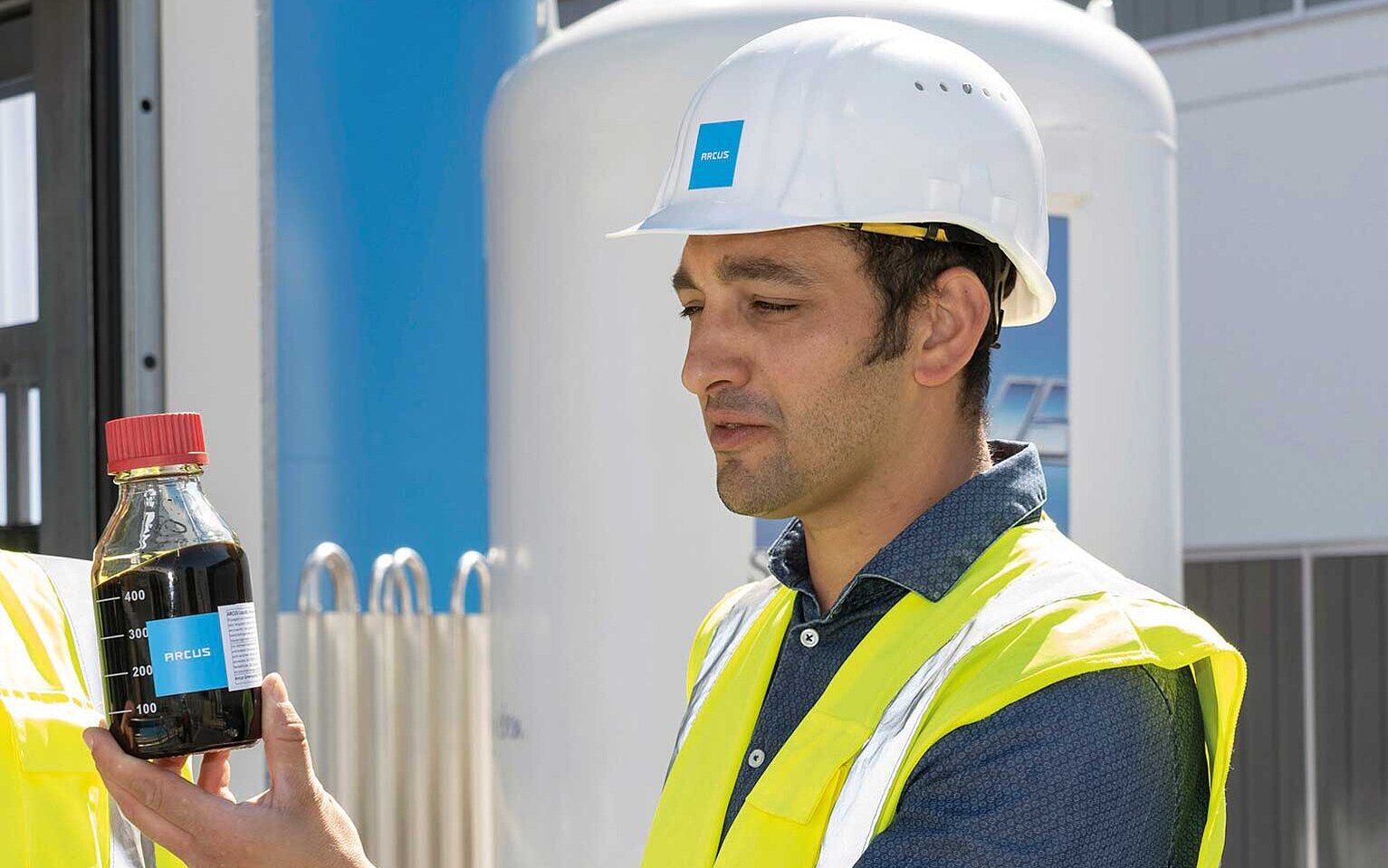
We essentially break down the plastic back into its original molecules. The resulting oil is chemically almost indistinguishable from fossil crude oil. That’s why it can be used as a raw material for the chemical industry or for fuel production. It means we have an opportunity to keep plastics in the loop without any loss of quality.
Dr. Marco Tomasi Morgano CTO of ARCUS in Ludwigsburg
Why quality is crucial
For this recycled oil to successfully return to industry as a raw material, it has to be highly pure.
“Knowing the exact composition is extremely important to us, especially when it comes to contaminants,” says Dr. Tomasi Morgano. “High concentrations of nitrogen, sulfur, or chlorine, for example, can cause problems in refineries. Oxygen is also a challenge.”
While fossil crude oil is almost oxygen-free, pyrolysis oil often contains a higher proportion of the element, depending on the starting material. This can lead to technical issues in the steam crackers that process the oil. To accurately assess the resulting raw material, ARCUS relies on elemental analysis.
“We need to know the exact composition of every batch of pyrolysis oil – especially the oxygen, sulfur, and nitrogen content,” notes Dr. Tomasi Morgano. “And we need these values to be as precise as possible, because we are talking about quantities around 0.01%.” To perform these measurements, the company uses analytical instruments from Elementar, including the rapid OXY cube®, which determines oxygen content down to the lower partsper- million (ppm) range.
Challenges and regulatory hurdles
This technology holds tremendous potential for the circular economy.
Dr. Tomasi Morgano estimates that pyrolysis could substantially increase the rate of chemical recycling in Germany. However, the hurdles standing in the way of widespread adoption are high.
“Most of all, there is a lack of clear legal framework,” explains Dr. Tomasi Morgano. “German legislation is still built around a linear economy. Mechanical recycling has a clearly defined quota, whereas chemical recycling is not yet fully recognized by regulators.”
This deters investors from backing this promising technology. Consequently, Germany currently has very few large-scale plants capable of operating pyrolysis at significant capacities. Other European countries are being bolder: France has allocated up to €500 million to expand chemical recycling and the Netherlands has simplified the approval process for new plants.
Nevertheless, a small first milestone has been reached. In November 2024, the EU passed regulations requiring food packaging to contain at least 10% recycled material in the future. This creates new incentives for chemical recycling, as mechanical recycling often fails to deliver the raw material quality required by the food industry.
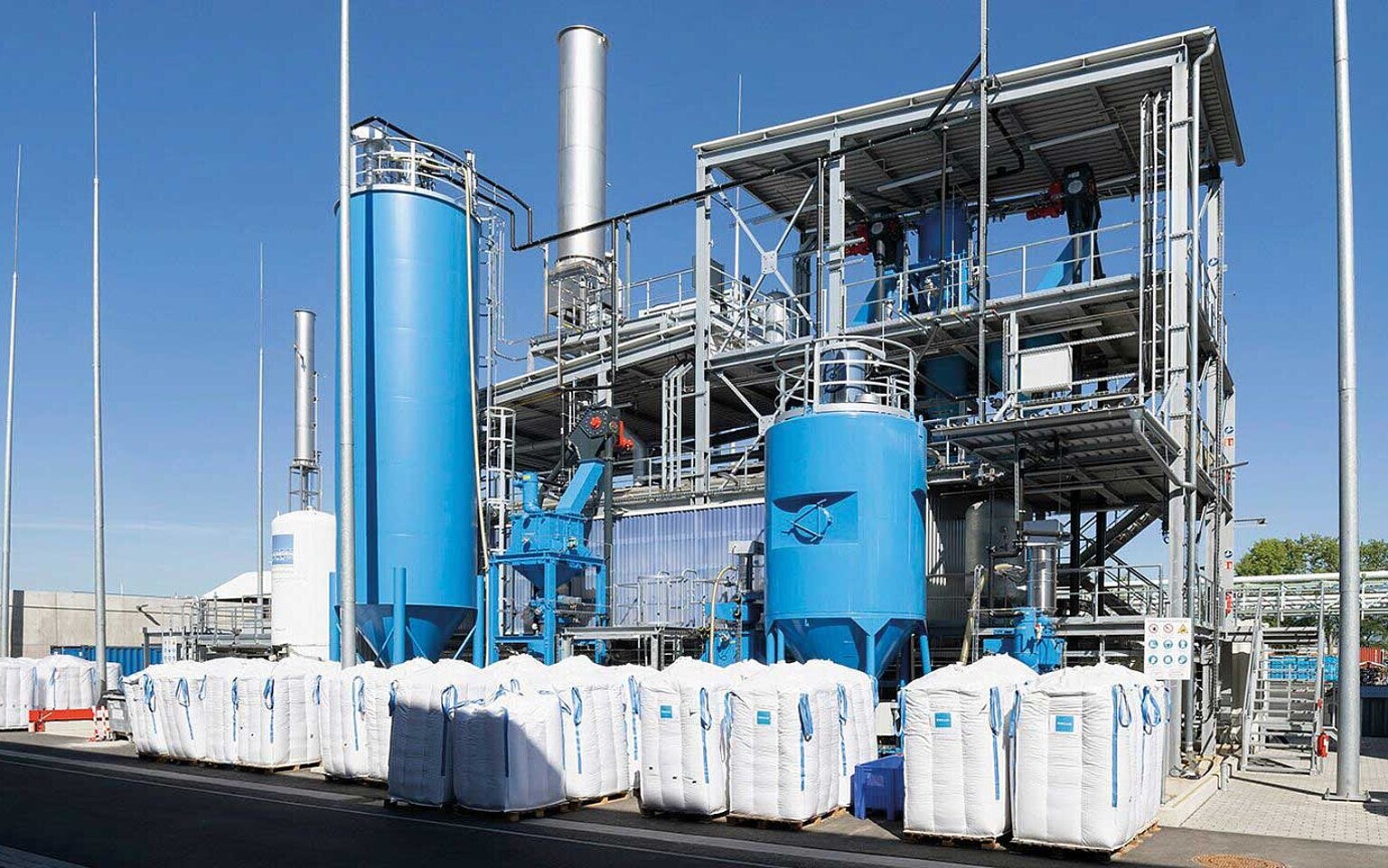
During pyrolysis (as seen at the ARCUS’s demonstration plant at Industriepark Frankfurt-Höchst), organic compounds are broken down into small molecules. Plastic waste is heated to high temperatures of 300 °C to 700 °C in a reactor without oxygen, splitting it into shorter hydrocarbon chains. This process produces oil-like liquids (pyrolysis oil) and gas mixtures. These products can then be used to manufacture new chemicals and materials for high-quality plastics.
A look into the future: what’s next?
The chemical recycling market is still in its infancy. But if regulatory hurdles fall and investments increase, the technology could play a decisive role in closing the loop in the circular economy.
One initial ray of hope is the German government's coalition agreement, which aims to strengthen chemical recycling within the existing waste hierarchy.
The combination of mechanical and chemical recycling is particularly interesting, as Professor Dr. Manfred Renner from the Fraunhofer Institute UMSICHT notes in a LinkedIn post. He emphasizes that the two methods must complement each other.
Dr. Tomasi Morgano agrees: “Everything that can be mechanically recycled should be mechanically recycled. Chemical recycling then steps in to help where mechanical processes reach their limits.” Just as with our cheese packaging. If it doesn't have to be burned, it can be recycled into oil, processed back into plastic and soon return to the supermarket as packaging.
Exactly as a real cycle should work.
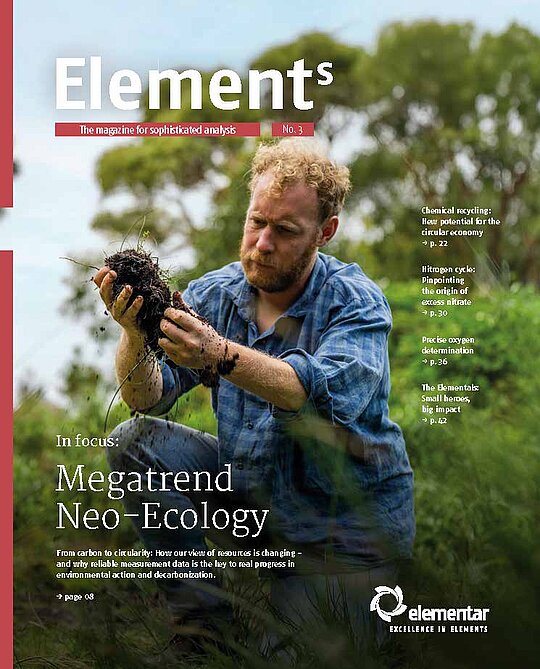
Element's Magazine No 3
In our ELEMENT's Magazine, we cover sophisticated analytical topics and show, how CHNOS elemental analysis, stable isotope analysis (IRMS), TOC analysis, protein analysis according to Dumas and optical emission spectrometry (OES) can be used and how they influence our daily life.
Edition No. 03 on Megatrend Neo-Ecology (Decarbonization, Chemical Recycling, Waste-to-Energy)
DOWNLOAD YOUR COPY
Fill in the form to receive your download link per e-mail.
Your contractual consideration for the free provision of the download is the subscription to our personalized newsletter. By clicking on the “download now” button, you therefore declare your acceptance of the receipt of personalized newsletters by e-mail by Elementar UK Ltd. and its group companies as well as the evaluation of your user behavior in this regard and - if available - the merging of this data with your data in our customer database.
In order to receive newsletters from our group companies it is necessary to transfer your above-mentioned personal data to these companies. The data transfer is contractually required.
You are aware that the subscription to our personalized newsletter represents the contractual consideration that you provide for the free provision of the download. You can unsubscribe from the newsletter at any time with effect for the future. You can object to the future use of your data for advertising purposes at any time. For further information, please refer to our privacy policy.
Do not miss any new articles
NEWSLETTER
We will constantly publish new blog articles. Register for our newsletter to stay up-to-date and get informed about latest blog articles, news and trends.