Unlocking material secrets: The essential role of the carbon analyzer
In today's industry and scientific research, precision is paramount. When it comes to understanding the properties, quality, and environmental impact of materials, accurate measurement of the carbon content is crucial. This is where carbon analyzers come into play - indispensable instruments for detailed material characterization. Next to other elements like nitrogen, hydrogen or sulfur, carbon can be analyzed in almost all matrices after basic sample preparation. From simultaneous CHNS analysis in pure chemicals, to carbon in environmental samples like water and soil, or together with sulfur in coal and steel, combustion analysis is a versatile tool for carbon analysis.
What is a carbon analyzer?
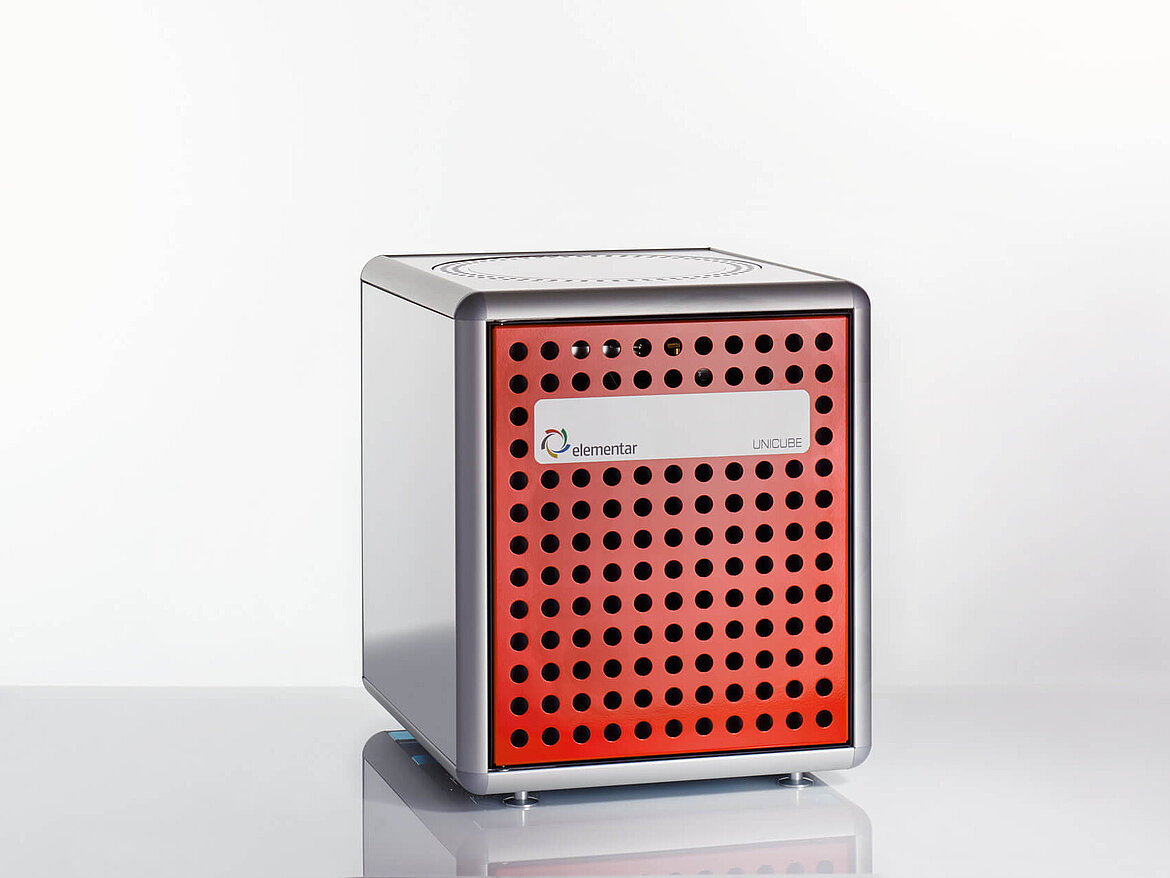
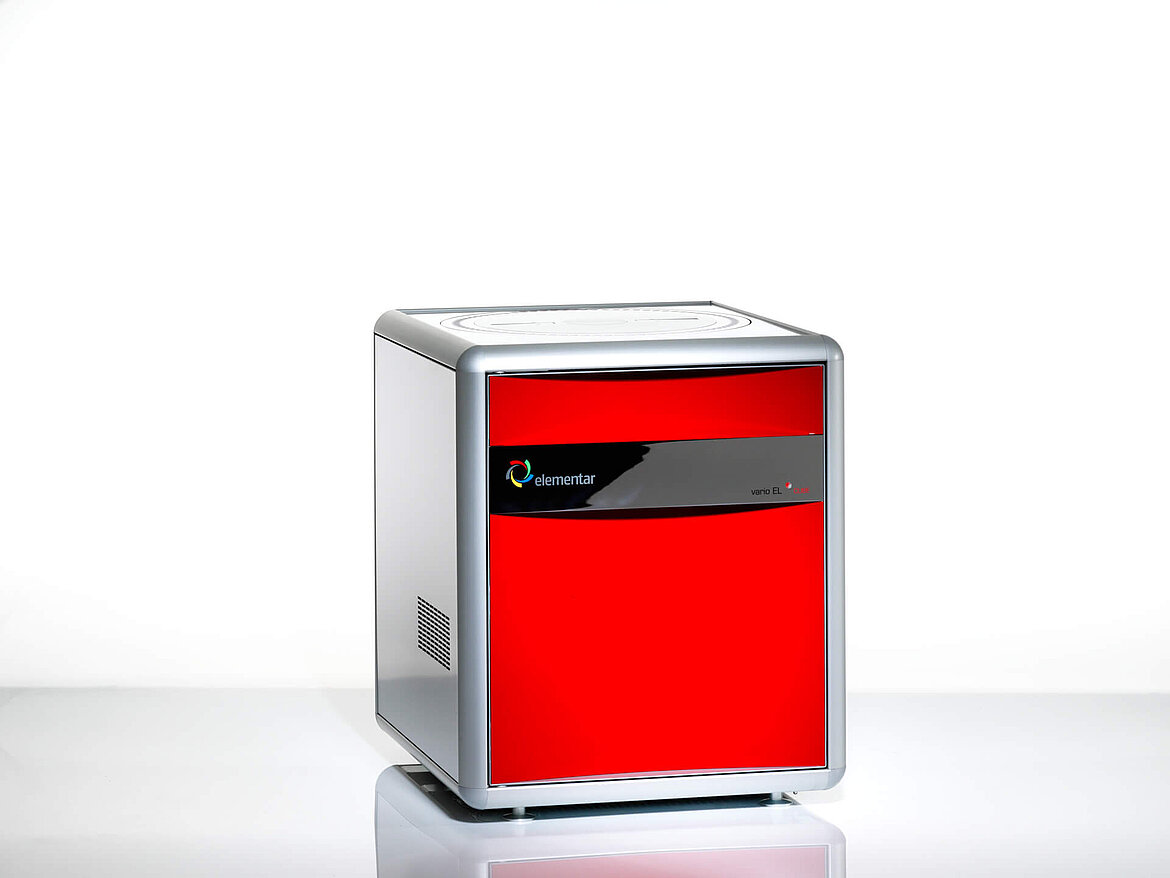
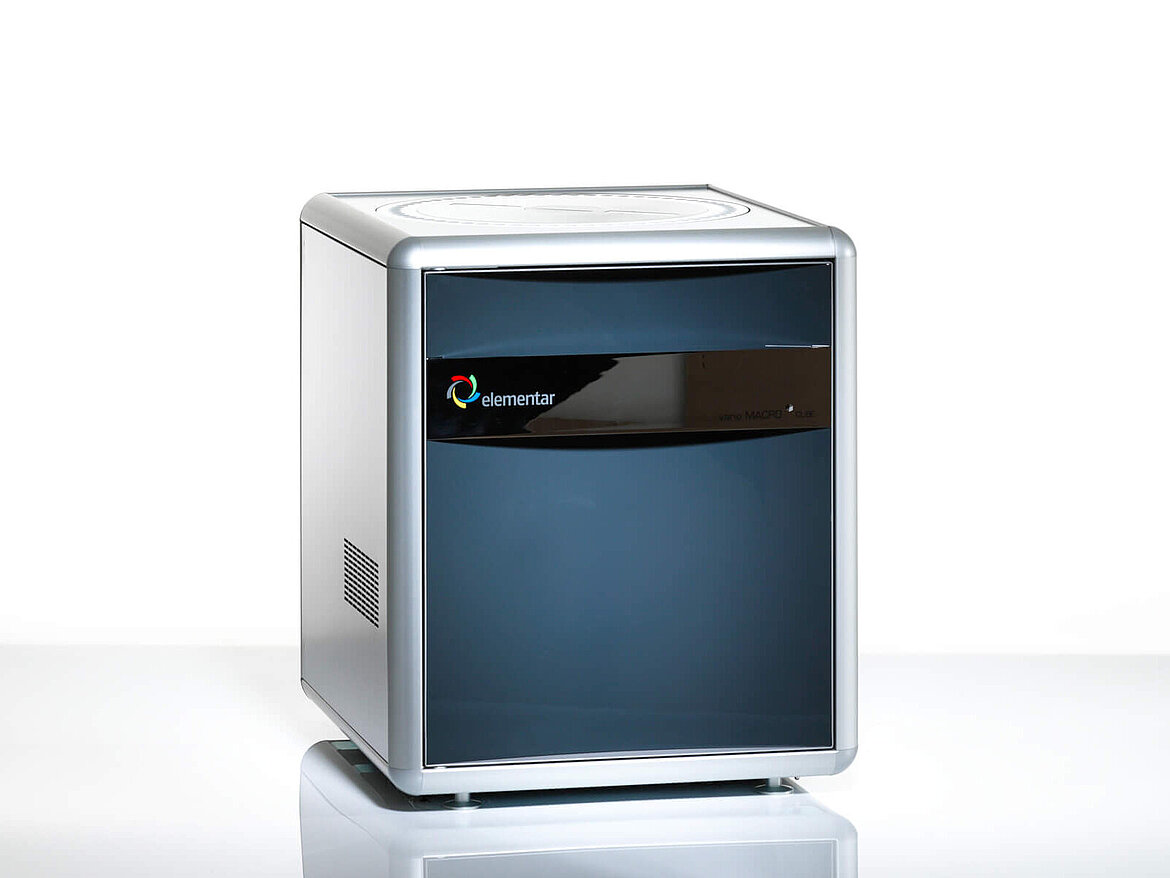
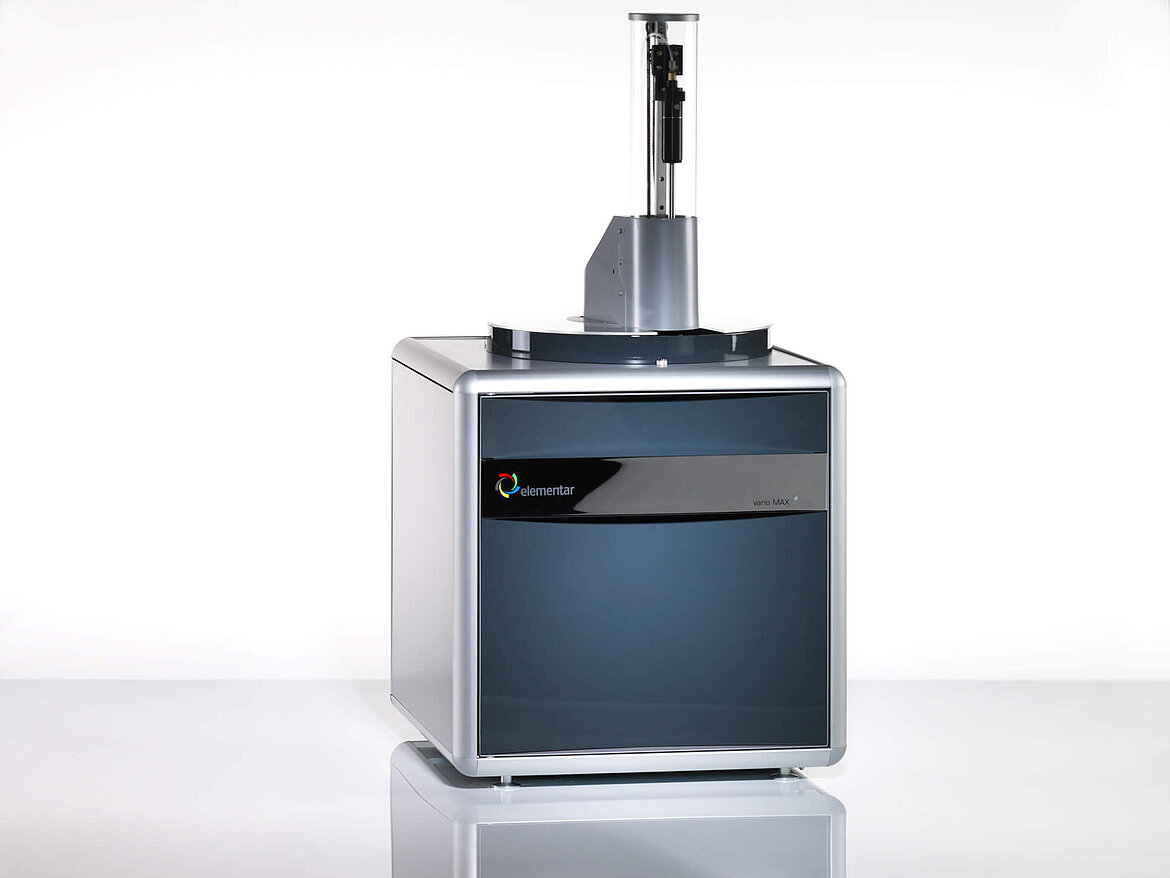
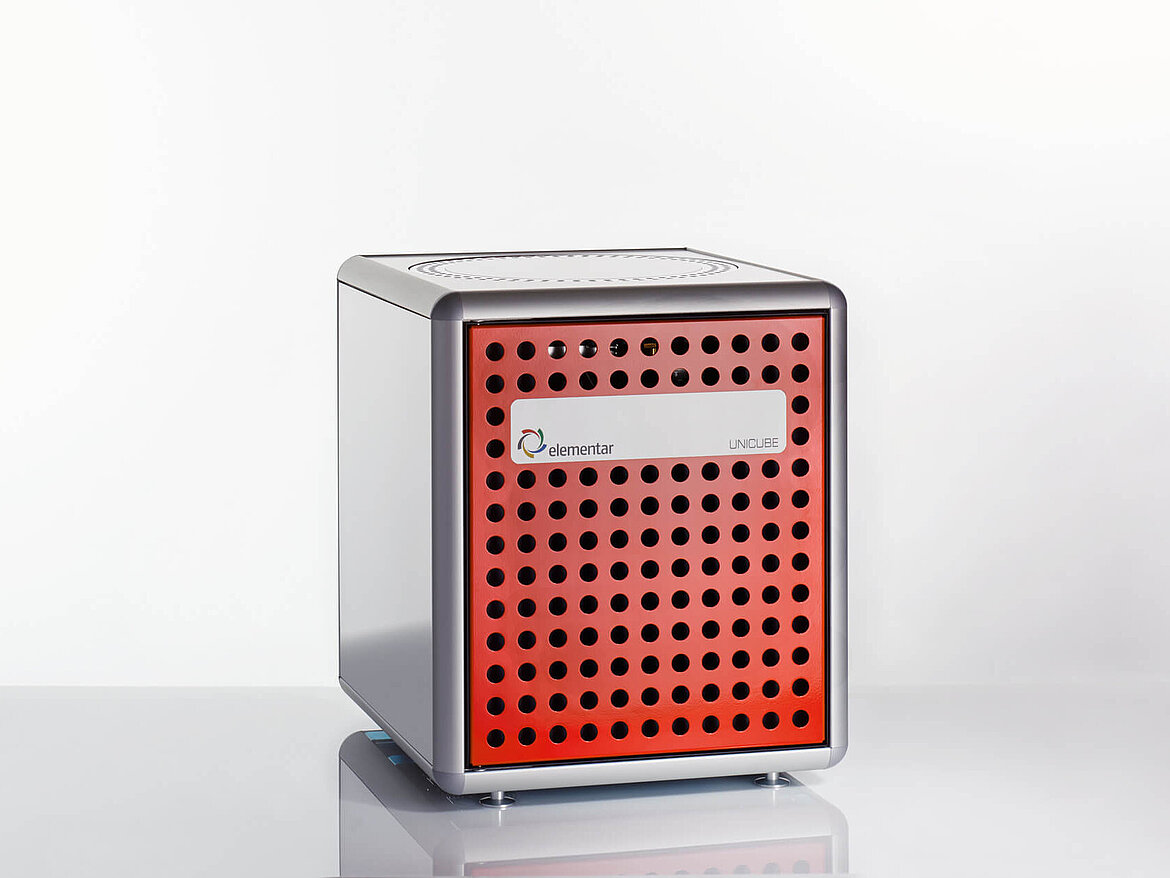
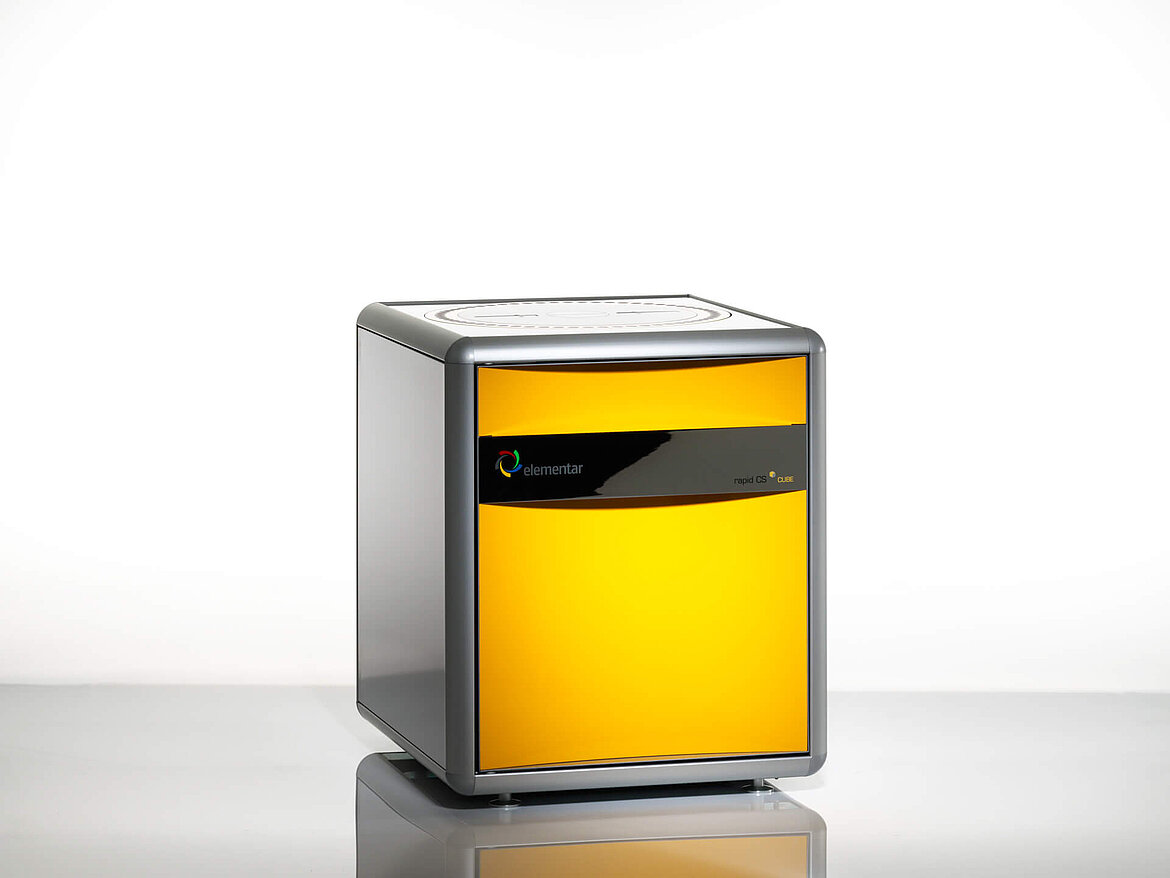
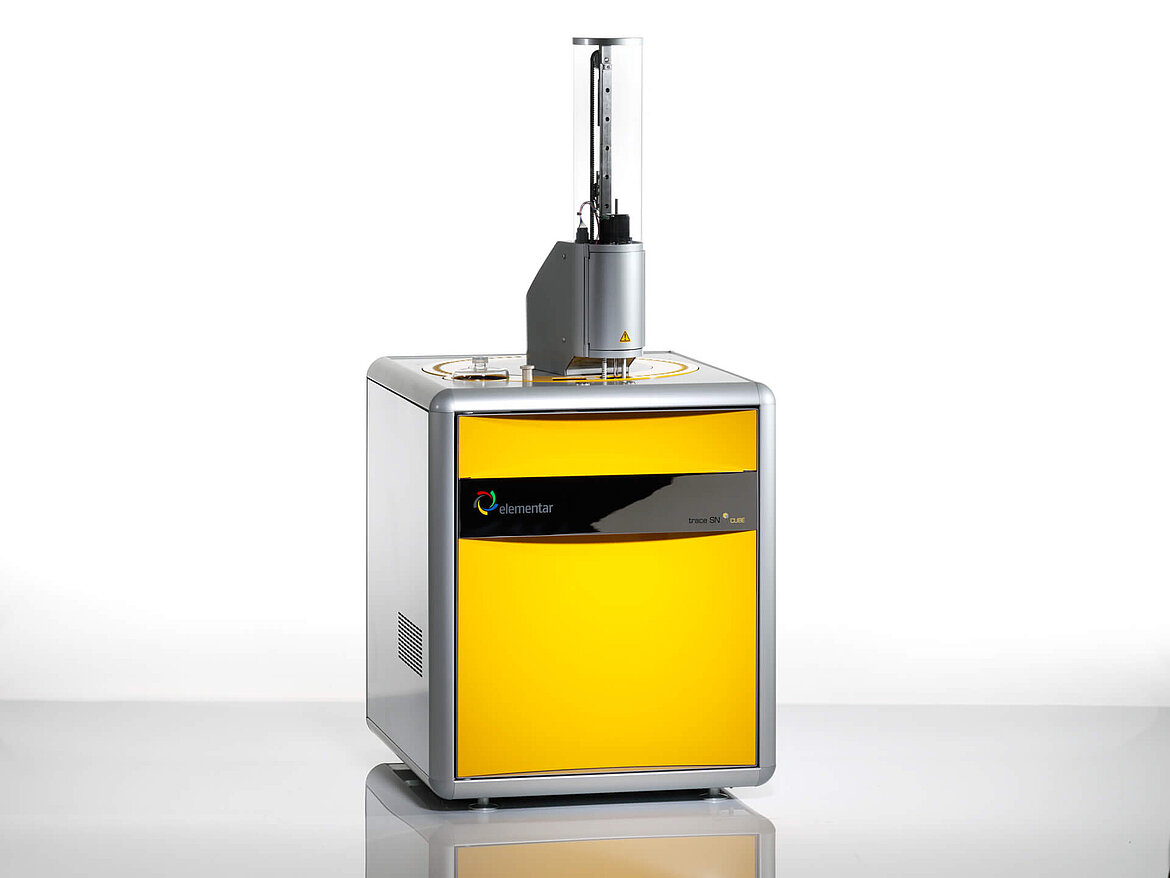
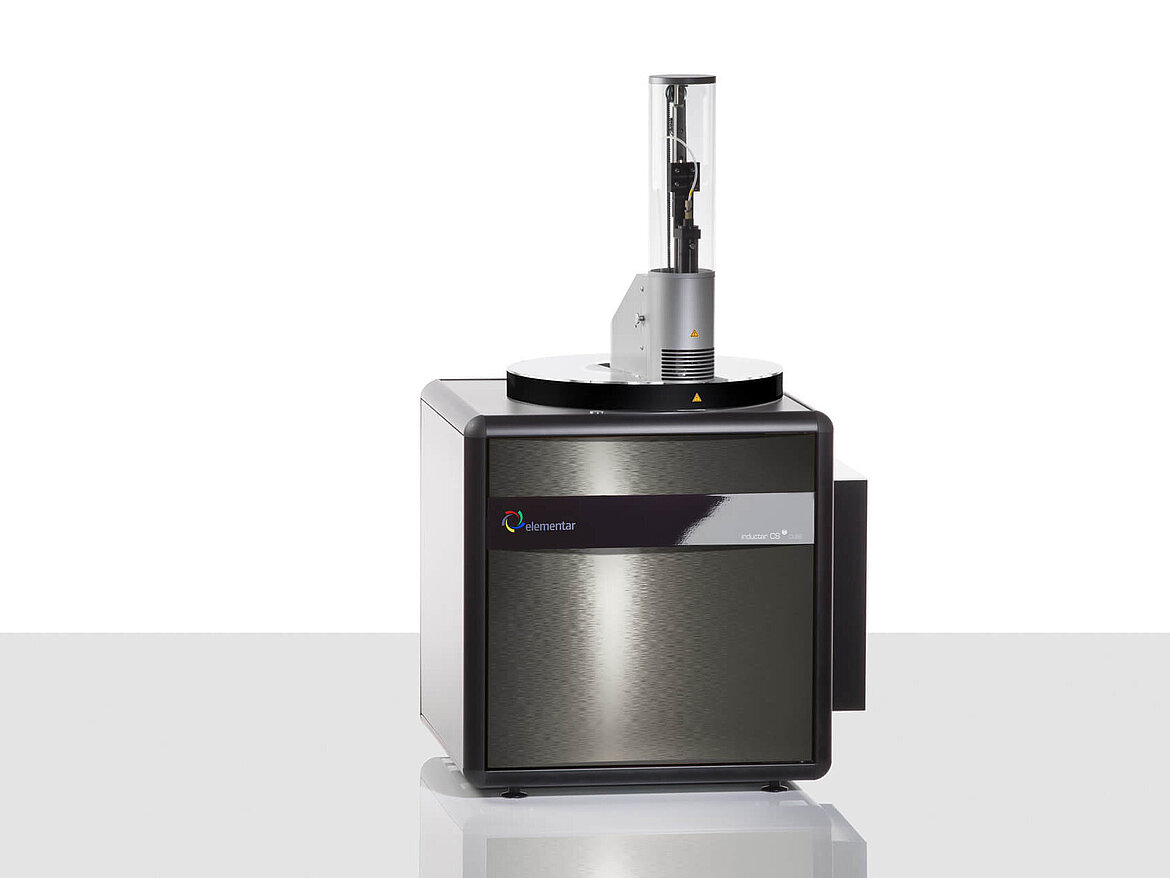
A carbon analyzer (often referred to as a carbon/sulfur analyzer, CHNS elemental analyzer, or simply as combustion analyzer) is a sophisticated and fully automated laboratory instrument used to determine the exact amount of carbon, and sometimes other elements like sulfur, in various solid and liquid samples.
The underlying principle of operation is that a weighed sample is thermally converted at high temperatures in an oxygenated atmosphere, to ensure fully matrix independent analysis. The resulting combustion gases are then cleaned, separated, and passed through one or more detectors, providing a fast, precise, and reliable measure of the total carbon content.
Key features and benefits of modern carbon analyzers
Modern carbon analyzers are designed for easy handling, efficiency, and accuracy, catering to demanding industrial and research environments. Key features often include:
High sensitivity, precision & accuracy: Capable of measuring carbon content across a wide range, from trace parts per million (ppm) levels to high percentages.
High throughput: Our instruments offer fast analysis times and unattended analyses 24/7, increasing sample throughput and efficiency in quality control settings.
Automation & user-friendly software: Advanced software with helpful features, simple maintenance navigation and automated sample handling, reducing the potential for human error and simplifying operation.
Robust design: High-temperature combustion, constructed and designed for continuous operation, longevity and minimized maintenance.
Versatility: Capable of analyzing a broad range of samples, including organic materials like soil, pharmaceutical substances or liquid fuels as well as inorganic materials like metals or ceramics.
Common applications of carbon analysis
The accurate determination of the carbon content is vital across numerous sectors, impacting everything from product quality to regulatory compliance.
Production quality control and R&D
From manufacturing ceramics and cement to analyzing electronic components or pharmaceuticals, precise carbon analysis serves as a core quality control step. In Research and Development (R&D), it helps scientists characterize novel materials and understand the chemical reactions that occur during synthesis and processing.
Environmental monitoring & geosciences
Carbon analyzers are essential for environmental research. They're used to measure total organic carbon (TOC) and total inorganic carbon (TIC) in samples like water, soil and sediment. This is crucial for:
- Water quality: Monitoring pollution levels in water like surface or wastewater.
- Soil health & fertility: Assessing the organic matter content in agricultural lands for soil characterization or the C:N ratio of soil to support healthy plant growth.
- Climate change: Delivering insights into carbon sequestration in ecosystems.

Metallurgy & materials science
In the steel and foundry industries, carbon content dictates critical properties like hardness, strength, and ductility. A slight variation can change a metal's classification entirely. Routine carbon and sulfur analysis ensures alloys meet precise specifications, guaranteeing product performance and safety. Optical emission spectrometers determine the composition of all kinds of alloys. Positive material identification (PMI), inspection or general quality control of metals are the most common applications.
Energy & Petrochemicals
In the energy sector, especially when dealing with coal, oil and biomass, carbon analysis or “ultimate analysis” (CHNS) is fundamental for calculating the calorific value and determining potential emissions. This ensures compliance with environmental regulations and optimizes combustion processes in power plants.

Geosciences & stable isotope analysis
When your question is not “how much?”, but “where from?” and you want to learn about the physicochemical history of a sample, stable isotopes of the elements CHNS/O are the key. Refer to our stable isotope analysis pages to learn more about food adulteration, doping control or geochemical applications.
Choosing the right instrument for your carbon analysis needs
Selecting the appropriate carbon analyzer depends heavily on your specific application and sample type. Whether you require a dedicated analyzer for steel quality control, a sensitive instrument for environmental monitoring or a multi-element analyzer for maximized flexibility, we can support you with the best solution for your application. A reliable carbon analyzer is an investment in accuracy, compliance, and the uncompromising quality of your materials.
Do you have questions? Our team is there to help.
If you would like to receive our newsletter, by clicking on the “Submit” button you consent to receiving personalized newsletters by email from Elementar Australia Pty Ltd. and its group companies, as well as to the evaluation of my user behavior in this regard and – if available – the merging of this data with my data in our customer database.
In order to receive newsletters from our group companies, it is necessary to transmit the above-mentioned data to them. The data transfer to these recipients is legitimized by your consent, which you give by clicking on the “Submit” button.
The newsletter can be canceled at any time with effect for the future as well as my consent to the transfer to our group companies can be revoked at any time. A revocation does not affect the legality of the processing carried out on the basis of the consent until the revocation. For more information, please refer to our privacy policy.