Converting waste into liquid fuel


Air travel connects the world - but it also comes with a growing environmental cost. As the aviation industry faces increasing pressure to reduce its carbon footprint, sustainable aviation fuel (SAF) is emerging as one of the most promising solutions. Produced from renewable and waste-based feedstocks, SAF can significantly lower lifecycle greenhouse gas emissions while working seamlessly with existing aircraft and infrastructure.
In this second part, we’ll explore the new technology of sustainable aviation fuel and provide an example of how a laboratory uses our analytical methods.

360.000+ Flights
ICAO data cited by the US Alternative Fuels Data Center shows 360,000+ commercial flights have used SAF across 46 airports (mainly US and Europe).
~ 80% reduce Lifecycle Emissions
Depending on pathway and feedstock, SAF can reduce lifecycle emissions by up to ~ 80% versus conventional jet fuel.
70% SAF usage until 2050
ReFuelEU Aviation sets minimum SAF shares of 2% (2025), 6% (2030) and 70% (2050) at EU airports.
6.6% Biofuels
According to data from Transport & Environment (T&E), a leading European environmental NGO, biofuels accounted for approximately 6.6% of the EU's transport energy consumption in 2022.
Plastic waste and other residues can be broken down and converted into liquid fuels.
These refined products, called pyrolysis oils, can then be blended with crude oil or further processed to create new chemicals and fuels. It’s a compelling method for dealing with non-recyclable plastics, turning them from an environmental headache into a resource.
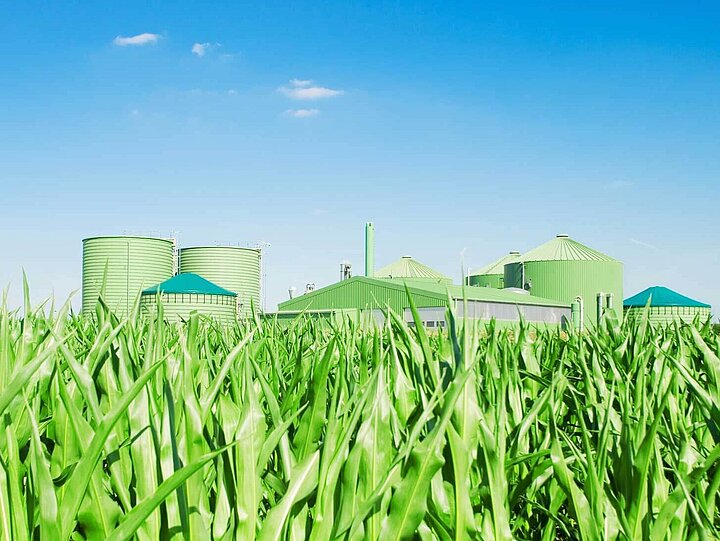
A second route involves converting renewable feedstocks and used cooking oil into sustainable aviation fuels (SAF). SAF represents one of the most promising paths to decarbonizing air travel.
However, aviation fuel standards are strict: oxygen content, sulfur levels and thermal stability must all fall within tight specifications. Accurate determination of elemental composition, including oxygen at very low concentrations, is therefore critical at every stage of fuel development and qualification.
One facility putting this into practice is a SAF research lab in Dublin.
Elemental analysis in action
The Sustainable Aviation Fuels (SAF) Research Facility demonstrates how advanced elemental analysis supports the development and validation of next generation fuels, many of which are derived from biomass, lignocellulosic residues, or other underutilized carbon sources. As part of a wider shift towards decarbonization and resource efficiency, these fuels offer a path to cleaner energy, and understanding their exact composition is crucial.
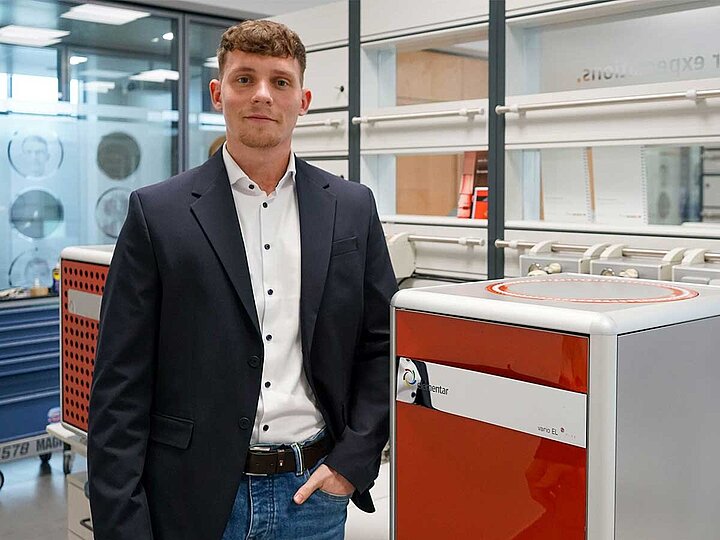
At this dedicated research laboratory, Elementar's CHNSO analyzer, vario EL cube, plays a central role in determining the C, H, N, S, and O content of a wide range of fuels and intermediates.
These include conventional jet fuels, SAF blends, oxygenated compounds, and solid biomass materials.
By establishing a consistent, traceable understanding of elemental composition, the team can evaluate energy content, track efficiency, and support combustion and emissions calculations, all of which are essentialfor qualifying alternative fuels under frameworks such as ASTM D4054.
Elemental analysis is important because it links the chemistry of the process inputs to the behavior of the fuels produced. For jet fuel and SAF blends, accurate carbon and hydrogen values are needed to compare different fuels, estimate energy content, and support combustion and emissions calculations. The ability to analyze liquid fuels and solid biomass using a single analyzer reduces reliance on external laboratories and shortens turnaround times.
This is particularly important when working with limited sample volumes or when rapid iteration is needed during fuel development and evaluation campaigns.
As the work at SAF research facility shows, pairing waste-processing technologies with powerful elemental analysis enables operators to ensure environmental stewardship, economic viability, and enhanced resource efficiency, turning one of society's persistent challenges into a strategic advantage.
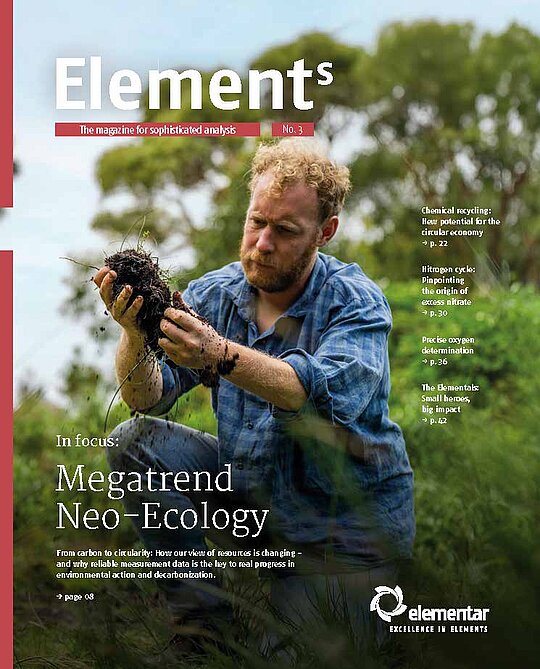
Element's Magazin No 3
In our ELEMENT's Magazin, we cover sophisticated analytical topics and show, how CHNOS elemental analysis, stable isotope analysis (IRMS), TOC analysis, protein analysis according to Dumas and optical emission spectrometry (OES) can be used and how they influence our daily life.
Edition No. 03 on Megatrend Neo-Ecology (Decarbonization, Chemical Recycling, Waste-to-Energy)
DOWNLOAD YOUR COPY
Fill in the form to receive your download link per e-mail.
Your contractual consideration for the free provision of the download is the subscription to our personalized newsletter. By clicking on the “download now” button, you therefore declare your acceptance of the receipt of personalized newsletters by e-mail by Elementar Australia Pty Ltd and its group companies as well as the evaluation of your user behavior in this regard and - if available - the merging of this data with your data in our customer database.
In order to receive newsletters from our group companies it is necessary to transfer your above-mentioned personal data to these companies. The data transfer is contractually required.
You are aware that the subscription to our personalized newsletter represents the contractual consideration that you provide for the free provision of the download. You can unsubscribe from the newsletter at any time with effect for the future. You can object to the future use of your data for advertising purposes at any time. For further information, please refer to our privacy policy.
Do not miss any new articles
NEWSLETTER
We will constantly publish new blog articles. Register for our newsletter to stay up-to-date and get informed about latest blog articles, news and trends.